
Proactive Risk Mitigation: Practical Steps For Savvy Landlords
Landlords face constant threats-from tenant disputes to property damage to natural disasters. The difference between a thriving rental business and a financial disaster often comes down to preparation.
We at Cappuccino Insurance Agency believe proactive risk mitigation isn’t optional. It’s the foundation of protecting your investment and your income stream.
What Risks Actually Cost Landlords Money
Property Damage: The Immediate Financial Threat
Property damage represents the most immediate financial threat landlords face. Water damage costs property owners an average of $12,500 per incident, and it strikes fast-a burst pipe floods a unit within hours. Liability claims follow closely behind. If a tenant or visitor suffers an injury on your property and sues, you face medical bills, lost wages, and legal fees that easily exceed $100,000. These two categories alone account for the majority of landlord insurance claims.
Tenant Issues and Eviction Costs
Tenant-related problems drain resources through different channels. Non-payment of rent, evictions, and disputes over security deposits consume cash and create legal expenses that accumulate rapidly. The National Multifamily Housing Council reports that eviction costs landlords between $3,000 and $10,000 per tenant, including court fees, lost rent during vacancy, and repairs after turnover. A single problem tenant can wipe out months of profit.
Natural Disasters and Environmental Hazards
Natural disasters pose catastrophic risk that extends beyond typical property damage. In California, wildfire-related property damage claims have reached billions annually, and flooding events destroy properties regardless of location. Environmental hazards like mold or asbestos contamination create liability exposure that extends years into the future-remediation costs run $5,000 to $30,000 depending on severity. These threats demand specialized attention and coverage.
Prevention Eliminates Most Losses
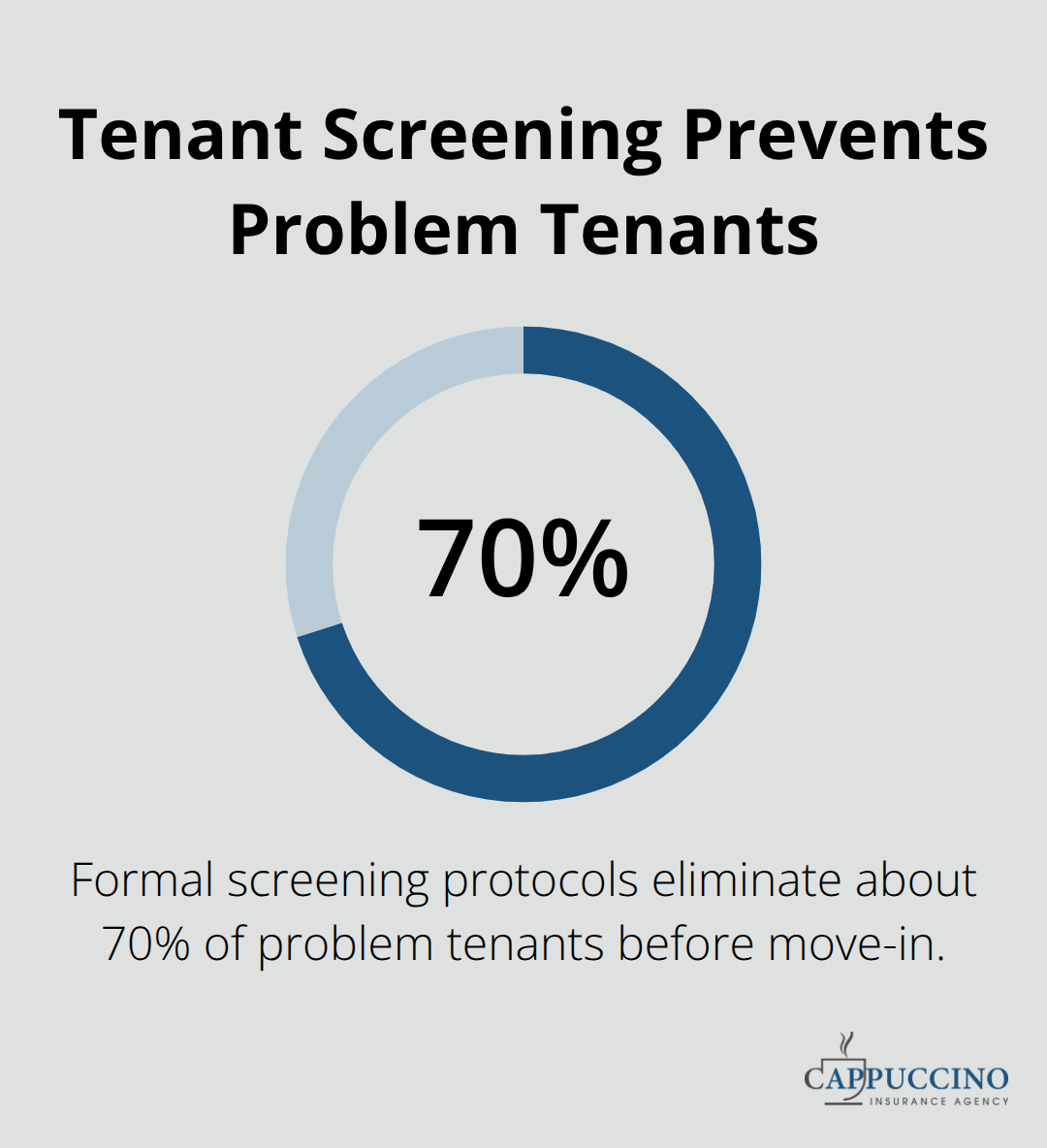
Most landlord losses are preventable through specific actions. Tenant screening eliminates 70% of problem tenants before they occupy your property. Regular inspections catch water damage, electrical hazards, and structural issues before they become expensive emergencies. Clear documentation of lease terms and maintenance responsibilities protects you in disputes.
You need tenant screening protocols that verify income, check eviction history, and confirm employment. You need maintenance schedules that address HVAC filters quarterly, gutters twice yearly, and water heaters annually.
Insurance Coverage Completes Your Defense
Standard homeowners policies exclude rental properties, so landlord-specific coverage is non-negotiable. Properties in high-risk areas like California require additional layers. If you own property in wildfire zones, standard policies often exclude or limit coverage. Specialty solutions like the California FAIR Plan address gaps that conventional policies leave open. Cappuccino Insurance Agency partners with 20+ carriers to deliver specialty solutions for hard-to-place wildfire-risk properties, including the California FAIR Plan and Difference-in-Conditions wraps, plus free coverage assessments and annual policy reviews. The combination of prevention, documentation, and appropriate insurance coverage separates landlords who build wealth from those who face financial collapse. Understanding your actual exposure sets the stage for selecting the right coverage-which brings us to the essential insurance protections every landlord needs.
The Insurance Foundation Every Landlord Needs
Landlord-specific insurance differs fundamentally from homeowners coverage because rental properties face exposure that standard policies explicitly exclude. Standard homeowners policies refuse to cover rental income loss, liability from tenant injuries, or damage caused by non-occupancy. You need a policy built for landlords.
What Landlord Property Insurance Covers
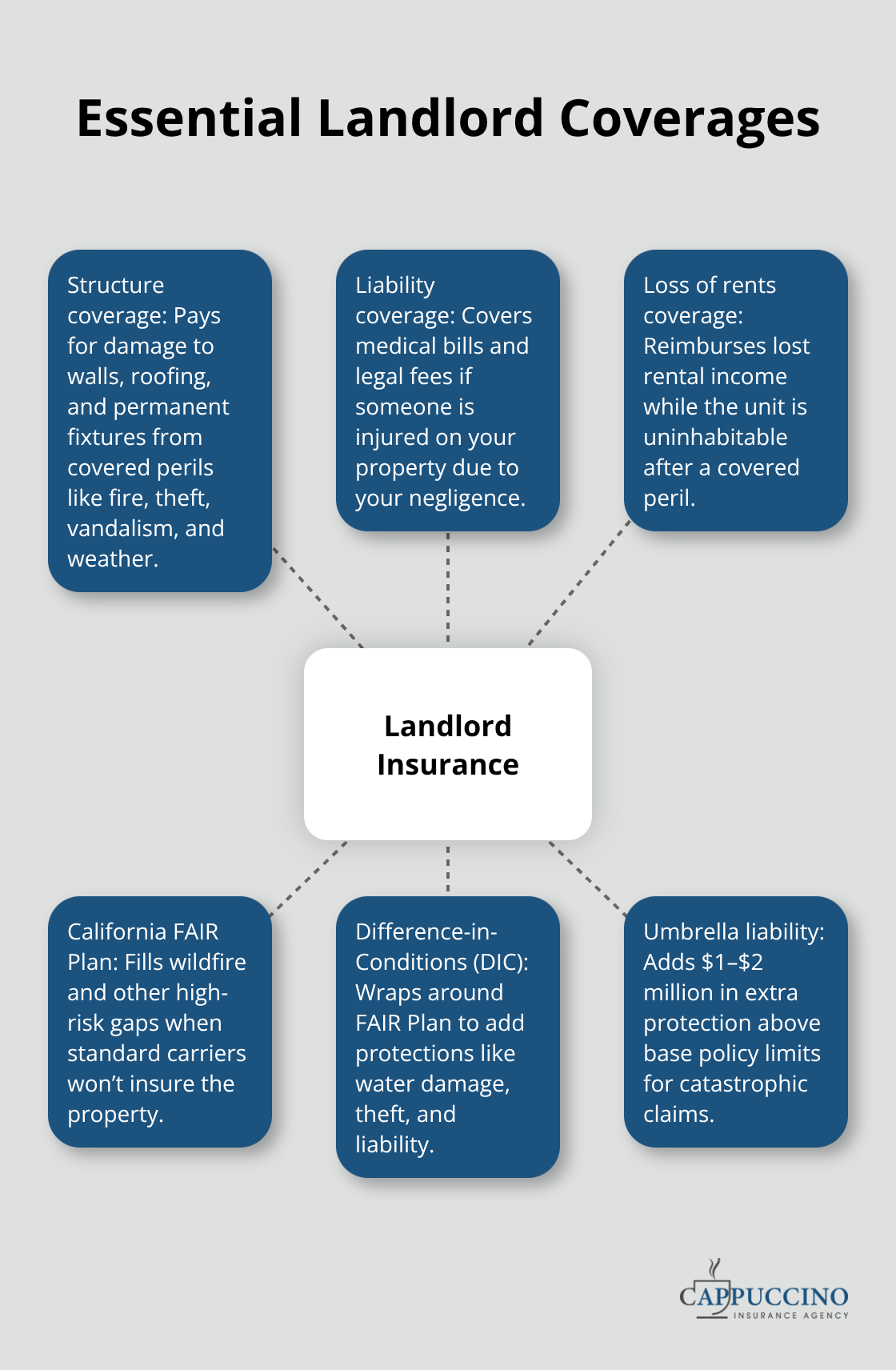
Landlord property insurance covers the structure itself, your liability exposure when someone gets injured on the property, and loss of rental income if the property becomes uninhabitable. The structure coverage reimburses you for fire, theft, vandalism, and weather damage to walls, roofing, and permanent fixtures. Liability protection covers medical bills and legal fees if a tenant or visitor sues after an injury on your property, and it extends to injuries that occur because of your negligence as a property owner.
Most standard landlord policies include loss of rents coverage, which reimburses you for lost rental income during the period the property sits vacant due to a covered peril like fire. This matters enormously because a single fire can eliminate your income stream for months while repairs happen. The National Association of Insurance Commissioners recommends that landlords carry liability limits of at least $300,000, though properties in densely populated areas or with multiple units should carry $500,000 or more.
Additional Coverage for High-Risk Properties
High-risk properties demand additional layers beyond standard landlord coverage. If your property sits in a California wildfire zone, conventional insurers either decline coverage entirely or charge premiums that make ownership unprofitable. The California FAIR Plan exists specifically to fill this gap, though it provides bare-bones coverage at higher cost than standard policies.
Difference-in-Conditions coverage wraps around FAIR Plan policies to restore the protections standard policies offer, covering items like water damage, theft, and liability that the FAIR Plan excludes. Umbrella policies add another $1 to $2 million of liability protection above your landlord policy limits, protecting you against catastrophic lawsuits that exceed your base coverage. If you own multiple properties or operate a small portfolio, umbrella coverage becomes essential because a single serious injury judgment can exceed $500,000.
Matching Coverage to Your Actual Risk
The goal is matching your protection to your actual risk, not purchasing generic policies that leave gaps or overpaying for coverage you don’t need. Annual policy reviews catch coverage shifts that happen naturally as property values increase or market conditions change. Your specific location, property type, and tenant profile all shape which coverages matter most-which is exactly why the next layer of protection extends far beyond what any insurance policy can provide.
Risk Management Strategies Beyond Insurance
Tenant Screening Filters Out Problem Tenants Before They Move In
Tenant screening determines whether your property generates steady income or becomes a liability nightmare. The data is unambiguous: landlords who implement formal screening protocols eliminate roughly 70% of problem tenants before they sign a lease. This isn’t about being overly cautious-it’s about filtering for financial reliability and rental history patterns that predict behavior.
Start with income verification using recent pay stubs or tax returns, then verify current employment by calling the employer directly rather than relying on applicant-provided contact information. Credit checks reveal payment patterns across months and years, showing whether someone consistently pays bills on time or carries chronic delinquency. Most importantly, check eviction history for the past ten years-a prior eviction is the single strongest predictor of future non-payment and lease violations.
Run background checks through a reputable tenant screening service to catch falsified documents and hidden criminal history. During in-person meetings, verify identity with a driver’s license and assess reliability through direct conversation. One landlord’s experience illustrates this perfectly: poor initial screening led to a tenant dispute that nearly resulted in legal action, but after implementing comprehensive background checks and income verification, subsequent tenants maintained stable, long-term tenancies.
Apply your screening criteria consistently across all applicants to avoid fair housing violations and ensure objective decision-making rather than gut feelings.
Regular Maintenance Prevents Expensive Emergencies
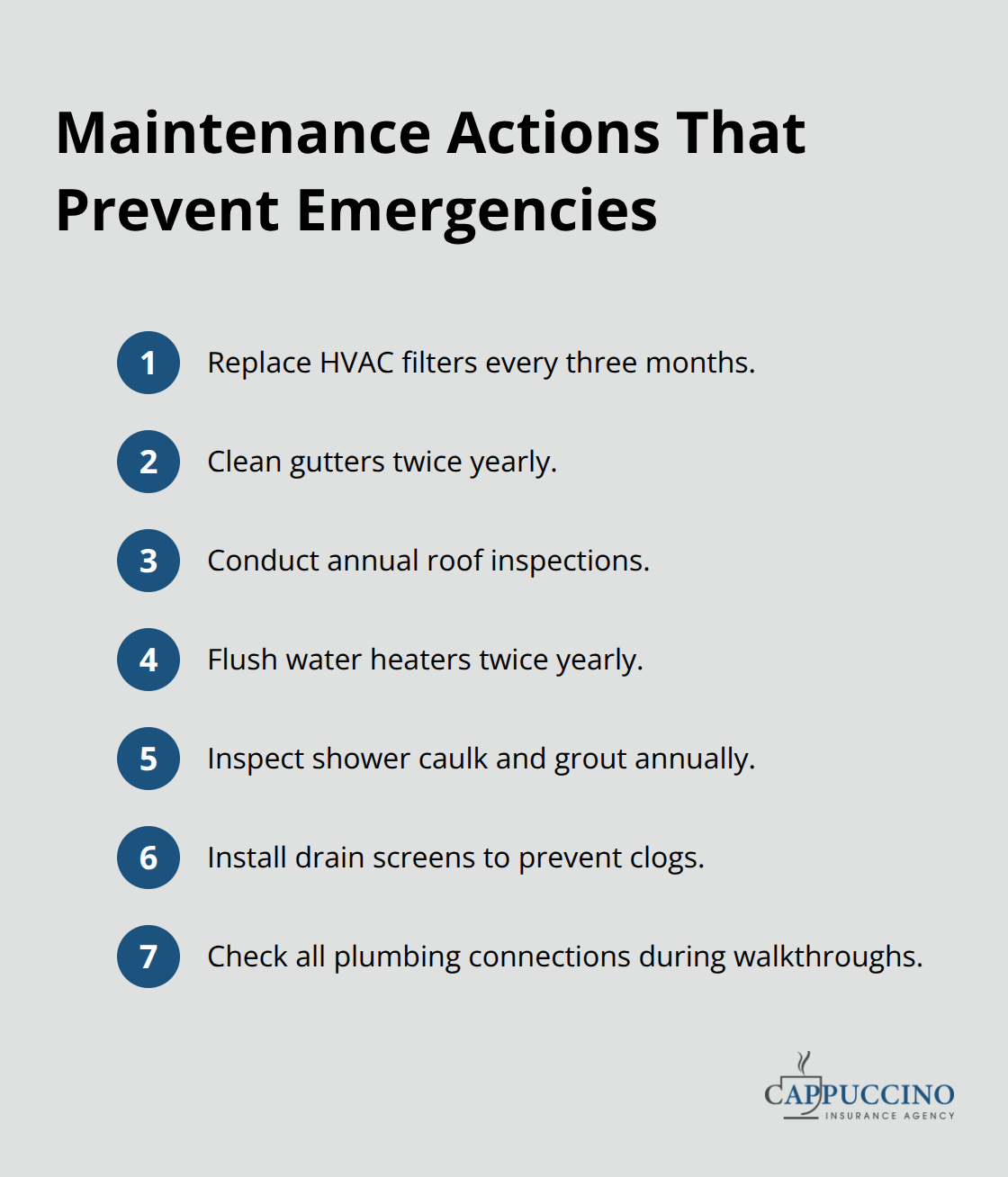
Regular maintenance prevents the expensive emergencies that drain cash flow and create tenant conflict. Replace HVAC filters every three months, conduct annual roof inspections and gutter cleaning to prevent water damage, and flush water heaters twice yearly to maintain efficiency. Water damage costs average $12,500 per incident according to industry data, making prevention economically critical-inspect shower caulk and grout annually, install drain screens to prevent clogs, and check all plumbing connections during property walkthroughs.
Conduct comprehensive property inspections at least annually, staggering visits across seasons to catch different types of damage. Document every maintenance activity with dated notes and photos so you have proof of your diligence if disputes arise.
Clear Documentation Protects You in Disputes
A formal lease agreement protects both parties by clearly specifying which repairs are landlord responsibilities versus tenant responsibilities, rent payment procedures, maintenance expectations, and smoking policies. Include language requiring renters insurance and clarifying consequences for lease violations like unauthorized occupants or unapproved pets.
Written documentation of every interaction-maintenance requests, inspection findings, repair work orders-creates the record you need if disputes escalate to eviction or small claims court. This combination of rigorous screening, systematic maintenance, and detailed documentation costs far less than handling problem tenants, emergency repairs, and legal disputes after they occur.
Final Thoughts
Proactive risk mitigation separates landlords who build long-term wealth from those who face financial collapse when problems strike. Water damage costs landlords $12,500 per incident on average, while evictions drain $3,000 to $10,000 in direct expenses plus lost rent. These aren’t theoretical threats-they happen regularly to landlords who lack proper preparation, but most losses are preventable through specific actions you control.
Start by assessing your current risk exposure honestly and reviewing your property’s location, condition, tenant screening process, and insurance coverage against actual gaps. Implement tenant screening if you haven’t formalized the process-this single step eliminates roughly 70% of problem tenants before they occupy your property. Add a maintenance calendar that addresses HVAC filters quarterly, gutters twice yearly, and water heaters annually, then verify your insurance coverage matches your actual exposure, particularly if your property sits in a high-risk area like California’s wildfire zones.
We at Cappuccino Insurance Agency help landlords across California secure the coverage they need through partnerships with 20+ carriers and specialty solutions for hard-to-place properties. Our free coverage assessments identify gaps in your current protection, and annual policy reviews keep your coverage aligned with property values and market shifts. Contact us to schedule your assessment and build the protection your investment deserves.
The information provided in this blog is for general informational purposes only and does not constitute legal, financial, or insurance advice. Coverage options, terms, and availability may vary. Please consult with a licensed professional for advice specific to your situation. Artificial intelligence may have been used to generate text and images in some blog articles and may contain inaccuracies.


